Back in 1994, metal music wasn’t so much dying as it was changing. Metal changed dramatically, and alternative/grunge music started seeping into the genre. Metallica even made an album with no guitar solos, and Megadeth started donning flannel shirts and jeans. Metal was going in another direction, so I began looking for alternatives to the shit trendy music and style that was starting to infiltrate my world.
This guy I was hanging out with at the time knew I had just left my band, but he was into a bunch of metal shit I had no interest in. He was all about the metal band Fear Factory, who were absolutely terrible, and was into shit like Nine Inch Nails and other random Death Metal bands. He was a cool dude, and he was always at least trying to turn me on to new things, so I was always open to it. One day, when we were hanging out, he played the album The Ethereal Mirror by the British metal band Cathedral.
The Ethereal Mirror was a game-changer for me, as it showed me that there was another Metal music movement. Still, the problem was that it was so far removed from me that playing that kind of groove, heady, ‘70s-infused metal seemed unattainable. I was so excited to hear songs like “Ride,” “Midnight Mountain,” and “Fountain of Innocence” because they sounded so exciting to me. It was like Black Sabbath had just put out a new album or something (this was long before the “Sabbath Worship” bands of today).
I was so excited that I went to band rehearsal one day, hoping this album would blow them all away. I hoped they would all hear it the way I heard it, as an escape route from all that was sucking about shit bands like Korn, Limp Bizkit, and System of a Down, to name a few. I thought The Ethereal Mirror was the map that would take us to this place, but it was the exact opposite. I looked at these three blank faces as I played “Ride” for them, and they all shook their heads. Instead, they seemed way more excited to cover “Self Esteem” by the pop/punk band The Offspring. There was no way in hell I was going to do that, so after that and a few other disputes, I said, “Later, dudes, I’m outta here.”
The Ethereal Mirror opened a door for me to want to pursue something new and exciting. I joined a three-piece band that played the same type of psychedelic Black Sabbath-infused hard rock, and it was so much fun. The only problem was that I felt like I was rebounding because I had just left my band and couldn’t get into it. After about 3-4 weeks of rehearsals, I parted ways with them amicably. After this attempt, even though I never played metal again as a musician, The Ethereal Mirror remained an essential album to me. It’s dark, exciting, and beautiful, and it forged a whole new genre of metal featuring bands that would endlessly try but never succeed in capturing and presenting the magic that Cathedral seemed to do without even trying.
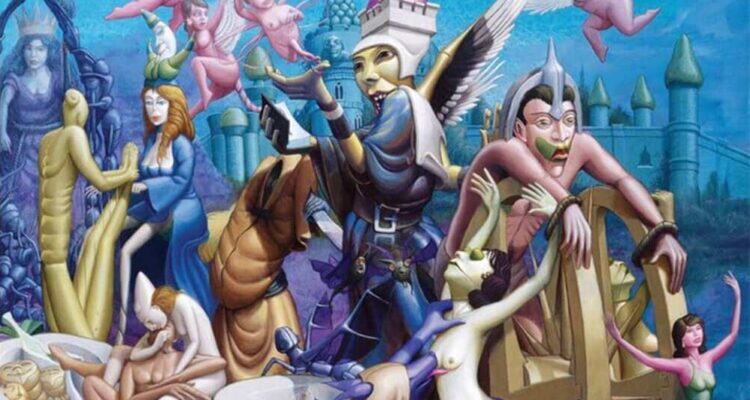
I had The Ethereal Mirror on cassette, and I played it until it got chewed up in my tape player. I got the CD, and it got stuck in my car CD player, so I bought another one. To my excitement, I found a copy of it on vinyl. Seeing the artwork by Dave Patchett so much bigger and more detailed confirmed that I was experiencing this album as it was meant to be. In a time when so many bands were skimping on their artwork because of smaller CD packaging, Cathedral chose a very artistic route, and after all these years, it paid off.
Listening to the album on vinyl also sounds spectacular. The natural sound of The Ethereal Mirror already had a classic, analog-sounding energy, and it really comes through on the vinyl. The stereo separation seems much more defined overall. I wouldn’t think of listening to this album any other way if I had the choice, much like the music that inspired Cathedral, The Ethereal Mirror sounds timeless. It was retro before retro was a thing. Cathedral wasn’t overreaching or trying hard to be something of a trend because this was well before the Sabbath Worship trend. Cathedral turned out to be one of the best metal albums of the ’90s, and to this day, it stands above many of its peers.
About The Author
